Open source RGB lighting control that doesn't depend on manufacturer software


One of the biggest complaints about RGB is the software ecosystem surrounding it. Every manufacturer has their own app, their own brand, their own style. If you want to mix and match devices, you end up with a ton of conflicting, functionally identical apps competing for your background resources. On top of that, these apps are proprietary and Windows-only. Some even require online accounts. What if there was a way to control all of your RGB devices from a single app, on both Windows and Linux, without any nonsense? That is what OpenRGB sets out to achieve. One app to rule them all.


Version 1.0rc2, additional downloads and versions on Releases page

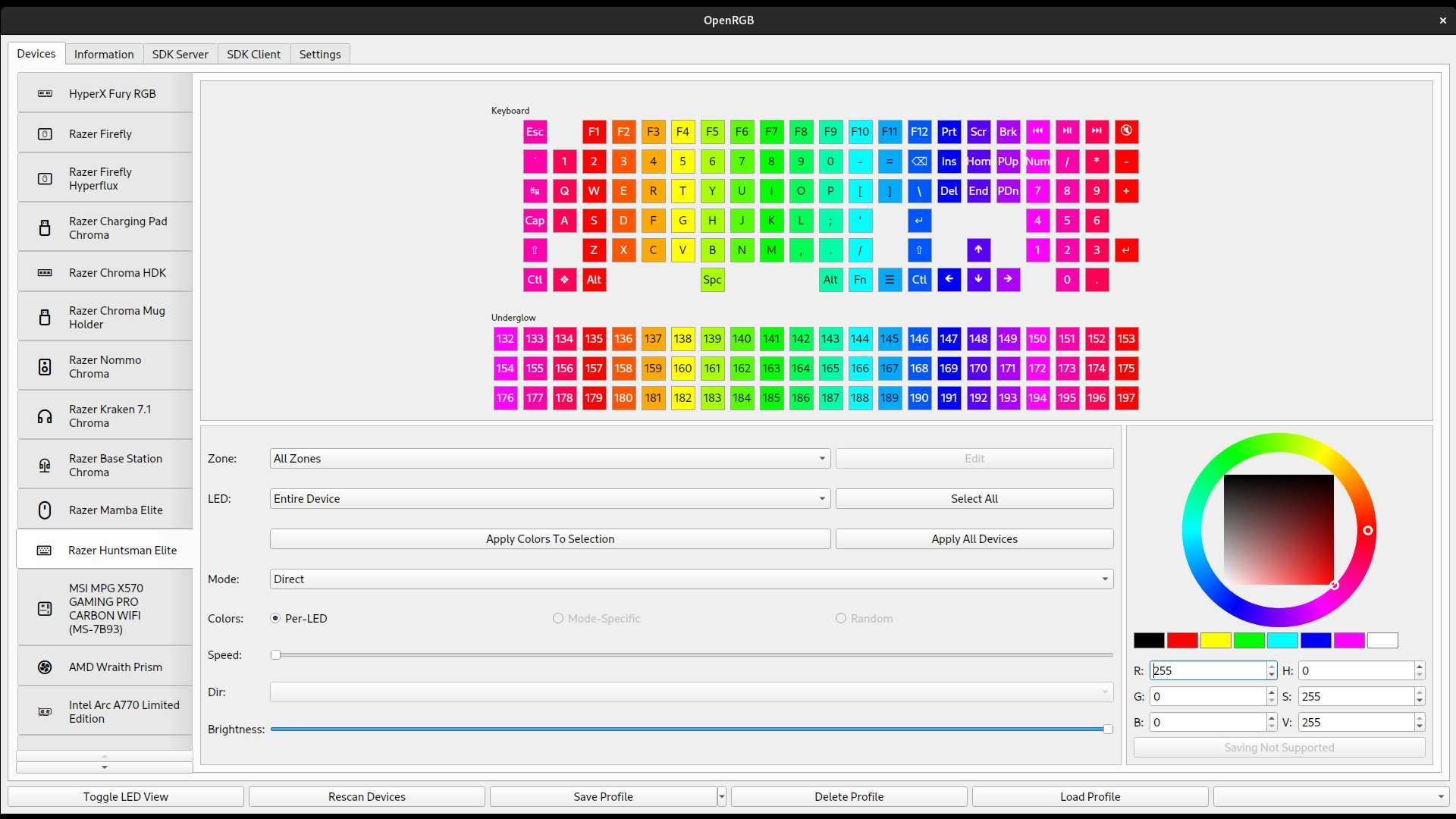
OpenRGB user interface

Control RGB without wasting system resources

Lightweight User Interface

OpenRGB keeps it simple with a lightweight user interface that doesn't waste background resources with excessive custom images and styles. It is light on both RAM and CPU usage, so your system can continue to shine without cutting into your gaming or productivity performance.
OpenRGB rules them all

Control RGB from a single app

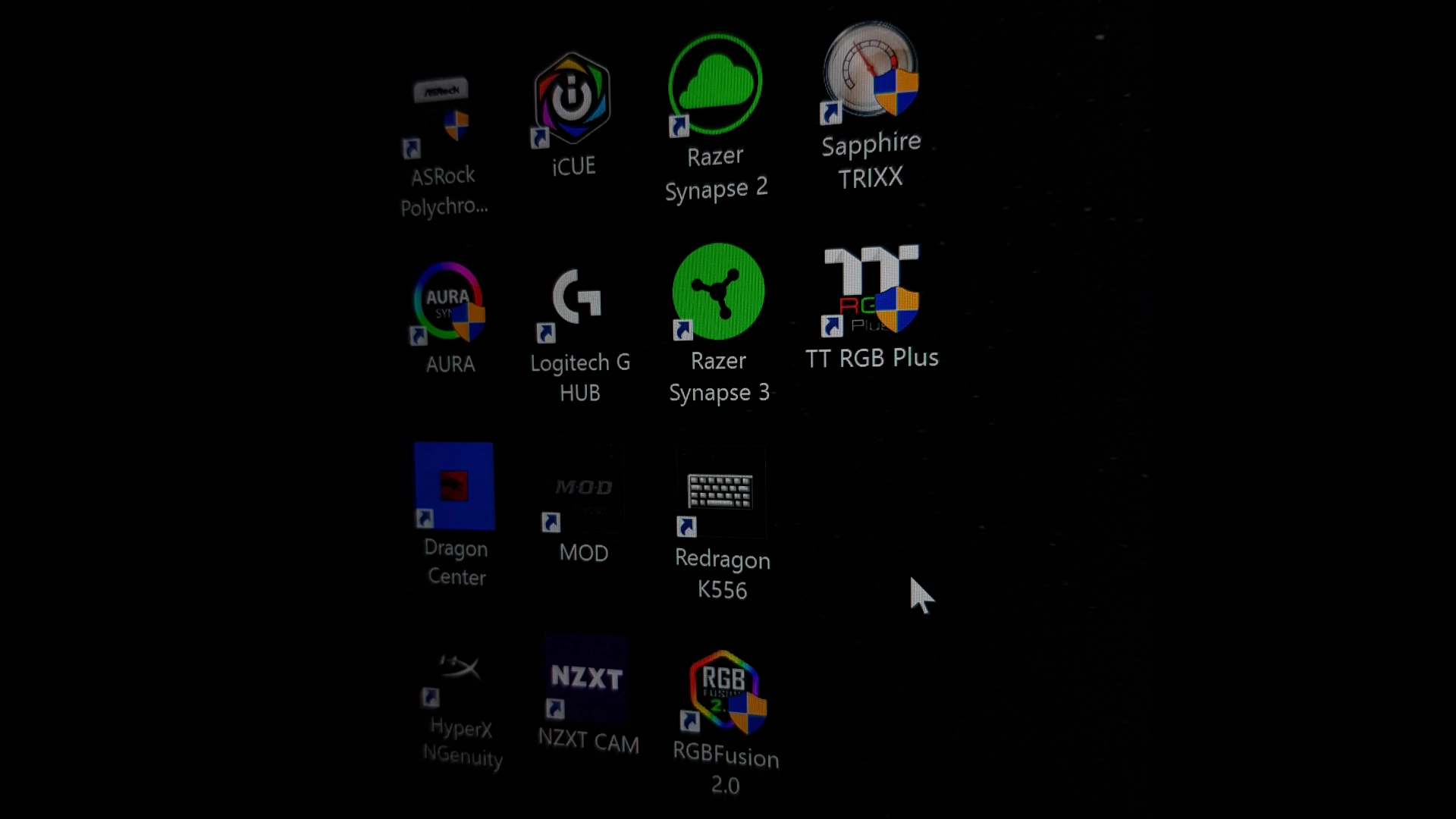
Eliminate Bloatware

If you have RGB devices from many different manufacturers, you will likely have many different programs installed to control all of your devices. These programs do not sync with each other, and they all compete for your system resources. OpenRGB aims to replace every single piece of proprietary RGB software with one lightweight app.

OpenRGB is open source software

Contribute your RGB devices

Open Source

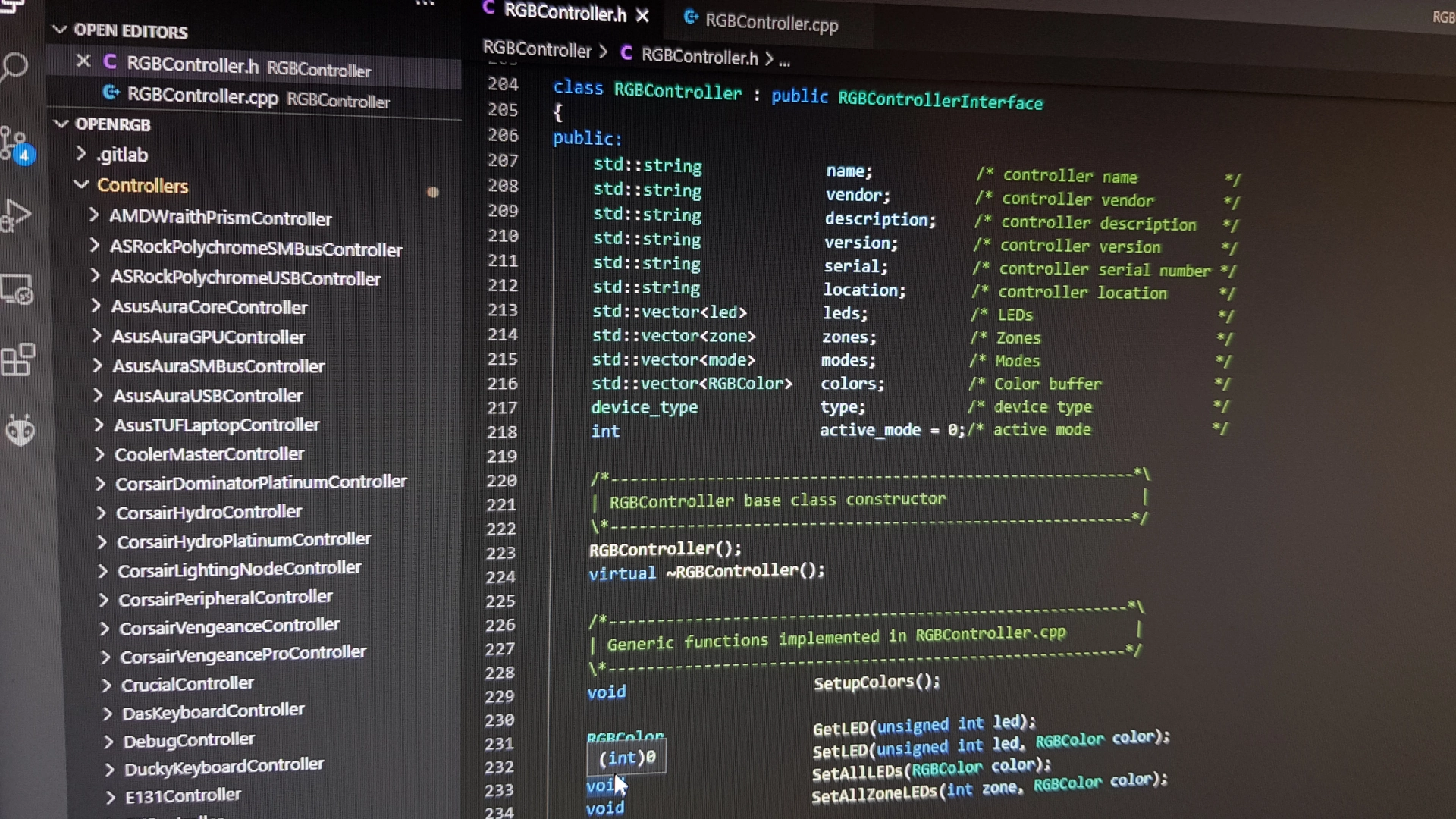
OpenRGB is free and open source software under the GNU General Public License version 2. This means anyone is free to view and modify the code. If you know C++, you can add your own device with our flexible RGB hardware abstraction layer. Being open source means more devices are constantly being added!


Check out the source code on GitLab
OpenRGB is Cross-Platform

Control RGB on Windows, Linux, and MacOS

Cross-Platform

OpenRGB runs on Windows, Linux and MacOS. No longer is RGB control a Windows-exclusive feature! OpenRGB has been tested on X86, X86_64, ARM32, and ARM64 processors including ARM mini-PCs such as the Raspberry Pi.

1.49.0 Armv7 Neon Codec For Mx Player Jun 2026

Write-up: MX Player Revision: 1.49.0 ARMv7 Neon Codec Unveiled MX Player, one of the most popular media players for Android gadgets, has just published an update to edition 1.49.0, which contains a significant enhancement for gadgets with ARMv7 chips - the Neon codec. In this post, we’ll take a deeper look at what this update signifies for people, how it can enhance your media playback experience, and how to get the most out of the new 1.49.0 variant of MX Player. What is the Neon Codec? For these who may not be aware, the Neon codec is a group of commands that enables for hardware-accelerated video decryption on particular ARM-based CPUs. Particularly, it’s created for ARMv7 processors that assist the Neon command set, which includes many mid-range and high-end Android gadgets. The Neon codec is optimized for speed and power efficiency, making it an perfect solution for media players like MX Player. By employing the Neon codec, MX Player can transfer video decoding from the CPU to the GPU, causing in flawless playback, decreased battery drain, and enhanced general performance. Exactly what is New in MX Player 1.49.0?

Article: MX Player Revision: 1.49.0 ARMv7 Neon Codec Released MX Player, a particular of the most famous media players for Android gadgets, has just launched an upgrade to edition 1.49.0, which includes a major improvement for units with ARMv7 processors - the Neon codec. In this post, we’ll have a more detailed glance at what this revision signifies for consumers, how it can improve your media playback session, and how to obtain the most out of the new 1.49.0 build of MX Player. What is the Neon Codec? For those who may not be knowledgeable, the Neon codec is a collection of directives that permits for hardware-accelerated video decoding on particular ARM-based processors. Particularly, it’s made for ARMv7 processors that support the Neon command set, which contains numerous mid-range and high-end Android phones. The Neon codec is refined for performance and energy efficiency, rendering it an perfect solution for media players like MX Player. By utilizing the Neon codec, MX Player can shift video decoding from the CPU to the GPU, resulting in better playback, decreased battery consumption, and improved general operation. What’s New in MX Player 1.49.0? 1.49.0 armv7 neon codec for mx player