 | Авторов: 103548 Книг: 275369 | Поиск по сайту: |  |

|
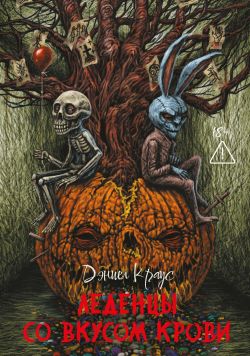
My Fathers Glory My Mothers Castle Marcel Pagnols Memories Of Childhood [ PREMIUM | 2024 ]Throughout both of books, Pagnol’s composition is marked by its poetry, delicacy, and attention to specifics. His writing is filled with a sense of awe, as he recalls the simple delights and pleasures of youth. At the same time, he tackles complicated subjects, such as the bonds between caregivers and youth, the value of household and community, and the trials of growingupof age. Pagnol’s employment of words is remarkable for its evocative force, carrying away viewers to the sunlit landscapes and rural environments of Provence. His descriptions of the natural world, from the sweeping hills and olive-tree orchards to the sparkling Mediterranean, are vivid and engaging, evoking the visuals, auditory impressions, and aromas of a past period. Enduring Influence and Impact “My Father’s Glory” and “My Mother’s Castle” are two remarkable books that offer a poignant and captivating glimpse into Marcel Pagnol’s childhood in Provence. Through his vivid descriptions, nuanced characterization, and sensitive exploration of themes, Pagnol has created a lasting tribute to his family, his heritage, and the simple joys of childhood. As a literary work, these books continue to delight readers of all ages, providing a powerful reminder of the importance of family, community, and the natural world in shaping our lives. Throughout both of books, Pagnol’s composition is marked My Father’s Glory, My Mother’s Castle: Marcel Pagnol’s Memories of Childhood Marcel Pagnol’s semi-autobiographical trilogy, comprising “My Father’s Glory”, is a poignant and evocative portrayal of his childhood in Provence, France, during the early 20th century. The first two books, “My Father’s Glory” and “The Time of Secrets”, are particularly notable for their vivid depiction of Pagnol’s formative years, offering a captivating glimpse into the author’s experiences, relationships, and surroundings. A Childhood in Provence Pagnol’s employment of words is remarkable for its In contrast, “My Mother’s Castle” moves the attention to Pagnol’s maternal parent and her household. The work is a warm and tender representation of Augustine Pagnol, who acted a central role in molding her child’s years. Through her steadfast support, direction, and dedication, Augustine nurtured Marcel’s imagination, encouraged his affection of writing, and aided him cultivate a firm awareness of self. The “manor” of the name alludes to the Pagnol household’s seasonal house, a humble but inviting home in the settlement of Saint-Cassien, where Marcel passed many happy times with his grandparents, aunts, and uncles. This ideal setting offered a refuge from the requirements of daily living, allowing Pagnol to explore his imagination, build enduring bonds with his kin, and develop a profound link to his ancestry. Topics and Tone frolicking with companions “My Father’s Glory” and “My Mother’s Castle” have had a lasting impact on French literature, offering a unique and captivating portrayal of childhood in rural France during the early 20th century. Pagnol’s work has been widely acclaimed for its sensitivity, nuance, and historical significance, providing a valuable record of a disappearing way of life. The books have also been adapted into several films, including a 1938 movie directed by Pagnol himself, which was a critical and commercial success. Today, Pagnol’s work remains widely read and studied in France and beyond, offering a timeless and universal exploration of the human experience. Conclusion Born in 1895 in Aubagne, a modest village in the Provence-Alpes-Côte d’Azur region of southeastern France, Marcel Pagnol grew up in a affectionate and nurturing family. His father, Joseph Pagnol, was a schoolteacher, and his mother, Augustine, was a home manager. The family’s meager resources and countryside setting provided a singular context for Pagnol’s childhood, which he would later draw upon in his work. In “My Father’s Glory”, Pagnol recounts his young years, focusing on his relationship with his father. The work is a sentimental ode to Joseph Pagnol, who instilled in his son a fondness of learning, a strong work ethic, and a profound appreciation for the naturalistic realm. Through a series of vignettes and anecdotes, Pagnol recreates the idealized setting of his youth, where he spent hours wandering the Provençal landscape, frolicking with companions, and aiding his father with his teaching. The Effect of His Mother Комментарии Сборник интересных пугающих историй, но конечно же, надеялась что вся книга будет посвящена "Черному телефону"  Уж очень фильм понравился. Был бы фф, раскрывающий историю фильма, размером с "Оно" Кинга, с удовольствием бы прочитала) Уж очень фильм понравился. Был бы фф, раскрывающий историю фильма, размером с "Оно" Кинга, с удовольствием бы прочитала)Чтобы иметь возможность оставлять комментарии необходимо авторизоваться или зарегистрироваться. |
|