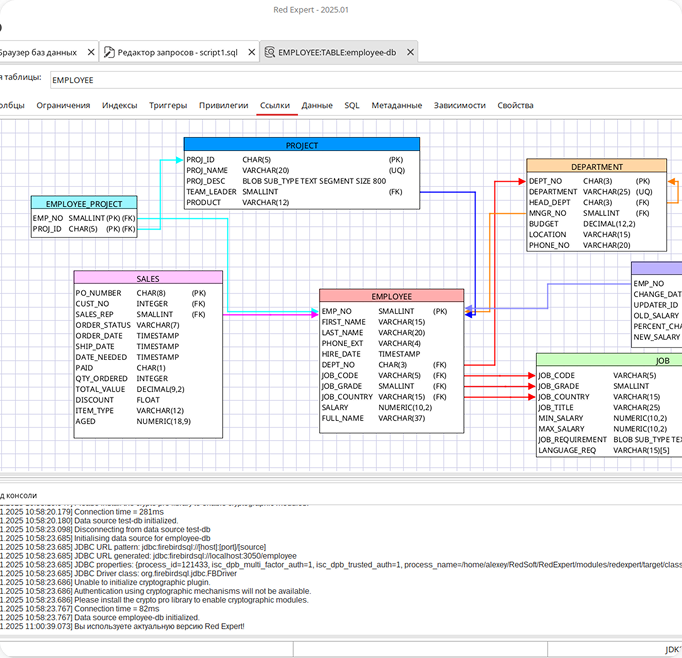
Multi-platform graphical tool for working with Firebird databases
Created by members
of the Firebird community
Product on the market
Experience in DBMS development
Supports all versions of Firebird database
Supports English
and Portuguese
Tools for database analysis and optimization
Runs databases > 1TB
Works on Linux, Windows, MacOS, Android operating systems
Try our app completely free of charge and enjoy all its features
In conclusion, the scene featuring Sapna in “Pyasa Haiwan” is a reflection of the complex and often contradictory nature of Indian cinema. While it may have sparked controversy and debate, it has also highlighted the need for a more nuanced and thoughtful discussion about the portrayal of women in Indian cinema. As the industry continues to evolve and push boundaries, it is essential that we prioritize a culture of respect and empowerment, both on and off screen.
That Infamous B-Grade Film Sequence Which Kept Viewers Stunned This world of B-Grade moviemaking has always been known for stretching boundaries and testing the boundaries of that which is deemed acceptable on screen. A single so occurrence that has sparked controversy in the industry is the sensuous scene showcasing renowned Mallu Aunty and B-grade actress, Sapna, in the movie “Pyasa Haiwan”. The moment, which has been described as a striptease, has left viewers aghast and ignited a fierce controversy about the sexualization of females in Indian cinema. For people who might not be familiar, Mallu Aunty is a widely recognized cultural phenomenon in India, notably in the southern states. She is depicted as a middle-aged woman with a sensual and flirtatious persona, often deployed to titillate male spectators. Sapna, the actress who played the part, is a B-Grade performer who has starred in numerous low budget movies. In conclusion, the scene featuring Sapna in “Pyasa
That sequence under scrutiny features Sapna, playing the role of a seductress, removing off to her minimal essentials in a titillating movement scene. The scene has been labeled as explicit and graphic, with some even terming it pornographic. While some have commended the moment for its boldness and willingness to test edges, others have criticized it for commodifying womenfolk and perpetuating a atmosphere of peeping. The picture “Pyasa Haiwan” is a B-grade picture that was launched several yrs ago. The film’s story revolves around themes of lust, cupidity, and betrayal, and includes a cast of mostly obscure actors. Despite its small budget and shortage of mainstream recognition, the film has earned a cultlike audience over the years, largely due to its risky content. That Infamous B-Grade Film Sequence Which Kept Viewers
The sequence featuring Sapna has been widely shared on online media and has sparked a fiery debate about the representation of women in Indian film. While some have argued that the scene is a tribute of women's empowerment and a rejection of traditional societal norms, others have criticized it for reinforcing harmful stereotypes about women and fostering a culture of sexualization. The controversy surrounding the scene has also raised questions about the role of regulation in Indian cinema. While some have argued that the moment is a obvious example of why content moderation is required, others have asserted that it is a mode of creative speech that should be allowed to exist. For people who might not be familiar, Mallu

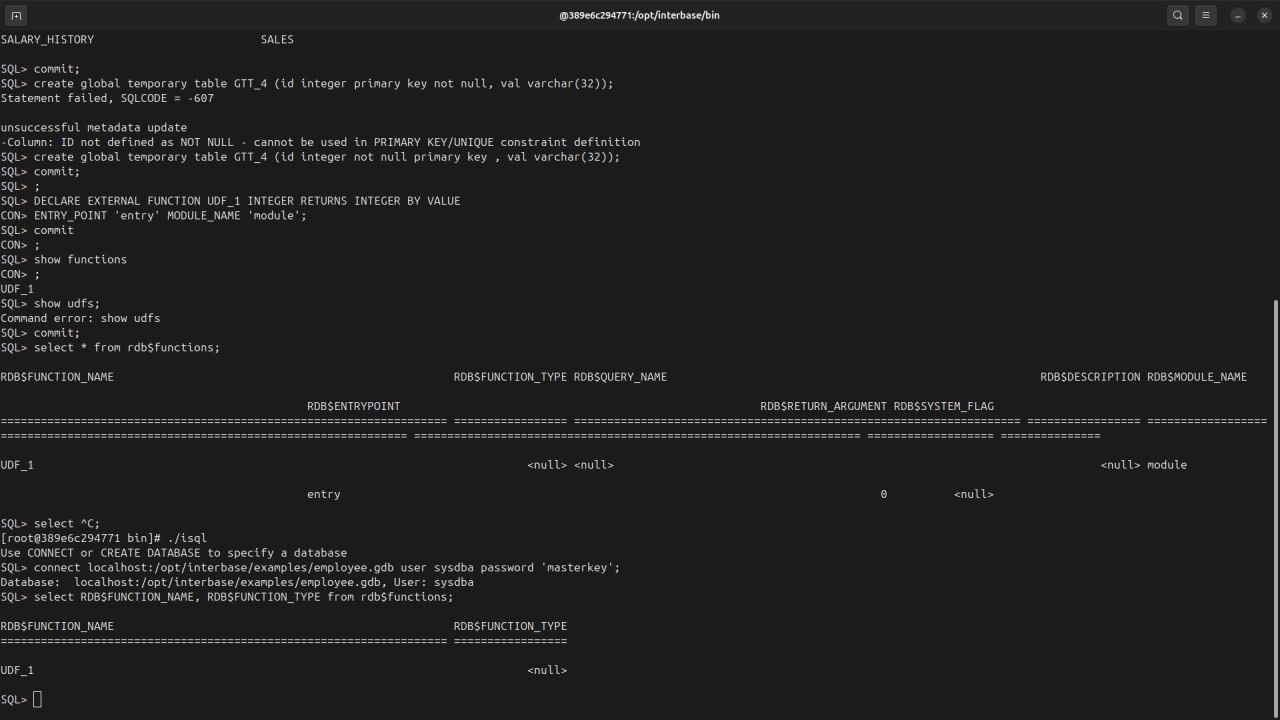
Stop working in the terminal by switching to a graphical tool
In conclusion, the scene featuring Sapna in “Pyasa Haiwan” is a reflection of the complex and often contradictory nature of Indian cinema. While it may have sparked controversy and debate, it has also highlighted the need for a more nuanced and thoughtful discussion about the portrayal of women in Indian cinema. As the industry continues to evolve and push boundaries, it is essential that we prioritize a culture of respect and empowerment, both on and off screen.
That Infamous B-Grade Film Sequence Which Kept Viewers Stunned This world of B-Grade moviemaking has always been known for stretching boundaries and testing the boundaries of that which is deemed acceptable on screen. A single so occurrence that has sparked controversy in the industry is the sensuous scene showcasing renowned Mallu Aunty and B-grade actress, Sapna, in the movie “Pyasa Haiwan”. The moment, which has been described as a striptease, has left viewers aghast and ignited a fierce controversy about the sexualization of females in Indian cinema. For people who might not be familiar, Mallu Aunty is a widely recognized cultural phenomenon in India, notably in the southern states. She is depicted as a middle-aged woman with a sensual and flirtatious persona, often deployed to titillate male spectators. Sapna, the actress who played the part, is a B-Grade performer who has starred in numerous low budget movies.
That sequence under scrutiny features Sapna, playing the role of a seductress, removing off to her minimal essentials in a titillating movement scene. The scene has been labeled as explicit and graphic, with some even terming it pornographic. While some have commended the moment for its boldness and willingness to test edges, others have criticized it for commodifying womenfolk and perpetuating a atmosphere of peeping. The picture “Pyasa Haiwan” is a B-grade picture that was launched several yrs ago. The film’s story revolves around themes of lust, cupidity, and betrayal, and includes a cast of mostly obscure actors. Despite its small budget and shortage of mainstream recognition, the film has earned a cultlike audience over the years, largely due to its risky content.
The sequence featuring Sapna has been widely shared on online media and has sparked a fiery debate about the representation of women in Indian film. While some have argued that the scene is a tribute of women's empowerment and a rejection of traditional societal norms, others have criticized it for reinforcing harmful stereotypes about women and fostering a culture of sexualization. The controversy surrounding the scene has also raised questions about the role of regulation in Indian cinema. While some have argued that the moment is a obvious example of why content moderation is required, others have asserted that it is a mode of creative speech that should be allowed to exist.